Education — in development
Turning prototype work into technical talent.
We are building this venture to find, attract, and train talent through real work. RAPD's build program is being shaped into documented learning experiences, apprenticeships, and structured STEM curricula.
Learning outcomes
What a RAPD build program teaches.
Curriculum design is early. We are looking for a small number of schools and programs to shape it with us.
Systems thinking
Students see how a single component change moves an aircraft's readiness.
Documentation discipline
Every build step is recorded, versioned, and reviewed — the habit that makes engineering repeatable.
Safe test practice
Bench-first procedures, protective equipment, and written go/no-go criteria.
Fabrication skills
3D printing, laser cutting, measurement, and iterative part testing.
Safety first: all program activity follows written procedures and applicable aviation rules. No curriculum, kit, or classroom program is available for purchase yet.
Coming soon
Basic drone building, assembly, and calibration classes.
Hands-on classes where students build a small quadcopter from laser-cut frames — measuring, assembling, wiring, calibrating, and bench testing their own aircraft.
Build from the frame up
Laser-cut plates, motors, ESCs, flight controller, and props — assembled step by step.
Assembly and wiring
Soldering-light assembly, motor direction, and clean, serviceable wiring practice.
Calibration
Flight controller setup, accelerometer and compass calibration, ESC and radio configuration.
Bench before flight
Written go/no-go criteria and documented checks before anything spins up.
Dates, locations, and pricing are not set yet. Join the list below to hear first.
Classroom kit
Students learn on the HAWK'S WORK F450.
Our classes are built around the F450 450 mm open-source quadcopter kit. We use the pre-soldered frame version first, so a beginner class spends its time on assembly, configuration, and calibration rather than on a soldering iron.
Airframe at a glance
- Wheelbase
- 450 mm, 4-axis multirotor
- Total weight
- Approx. 1.1 kg
- Max take-off weight
- Approx. 1.8 kg
- Flight controller
- Pixhawk, open source firmware
- Ground software
- Mission Planner / QGroundControl
- Frame option
- Pre-soldered PDB (beginner classes)
Specifications published by the manufacturer
Pre-soldered first
The first cohort uses the pre-soldered frame: connect the XT60 leads and move straight into mechanical assembly. Soldering is introduced later, as its own module.
Open source, not a black box
Pixhawk and Mission Planner let students see and change the parameters that make the aircraft fly — the opposite of a sealed consumer drone.
Serviceable by design
Standard 450-class motors, ESCs, and props mean a damaged part is a lesson and a replacement, not the end of the aircraft.
The RAPD Group is not affiliated with or endorsed by HAWK'S WORK. The kit is named because it is the hardware our classes will teach on.
Training equipment
Learn to calibrate on ours before you calibrate your own.
Small, prop-guarded trainers we already own. Students first calibrate and fly the house aircraft — controller setup, accelerometer and compass calibration, trim and rate preferences — then apply the same procedure to their own airframe and tune it to their liking.
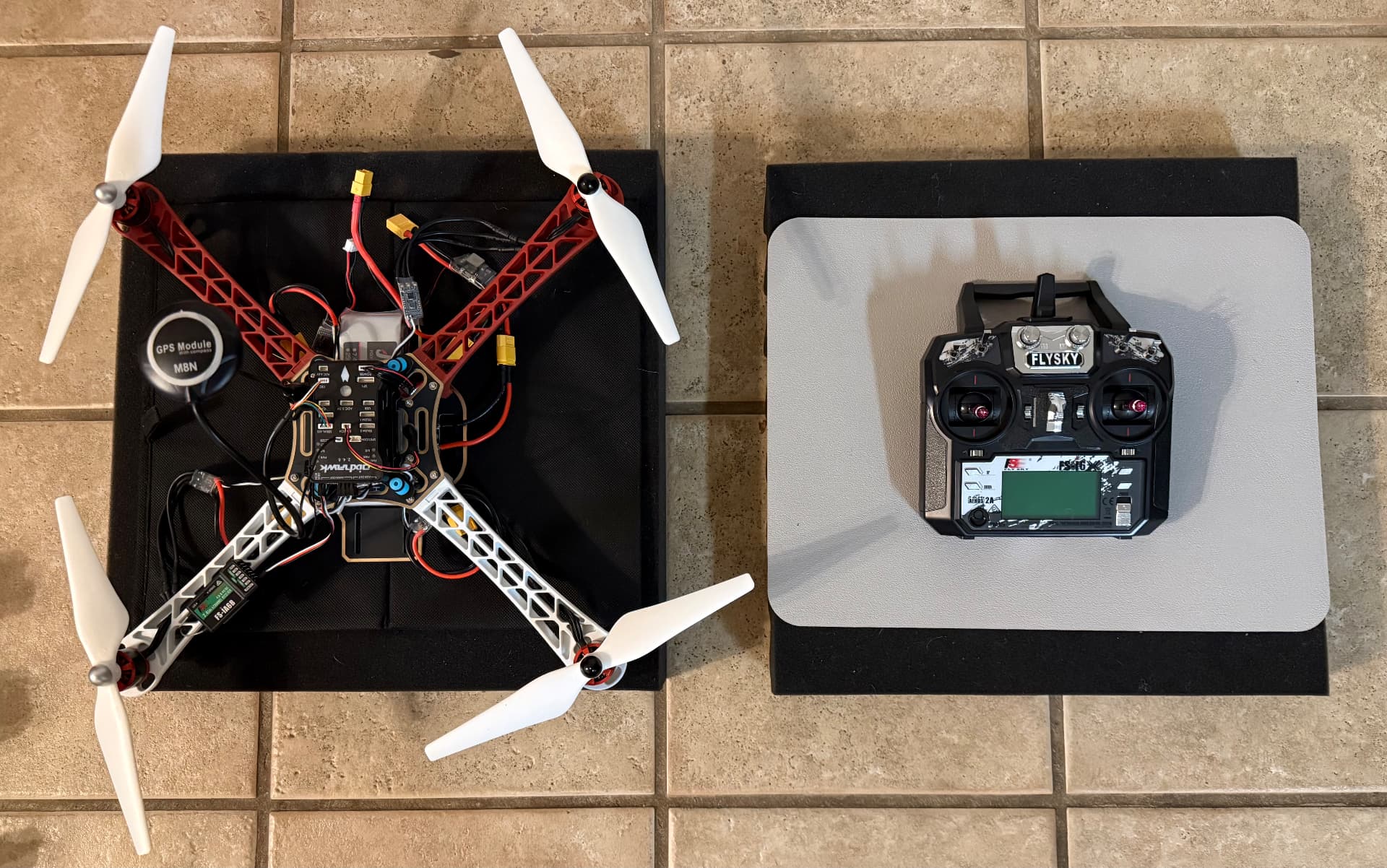
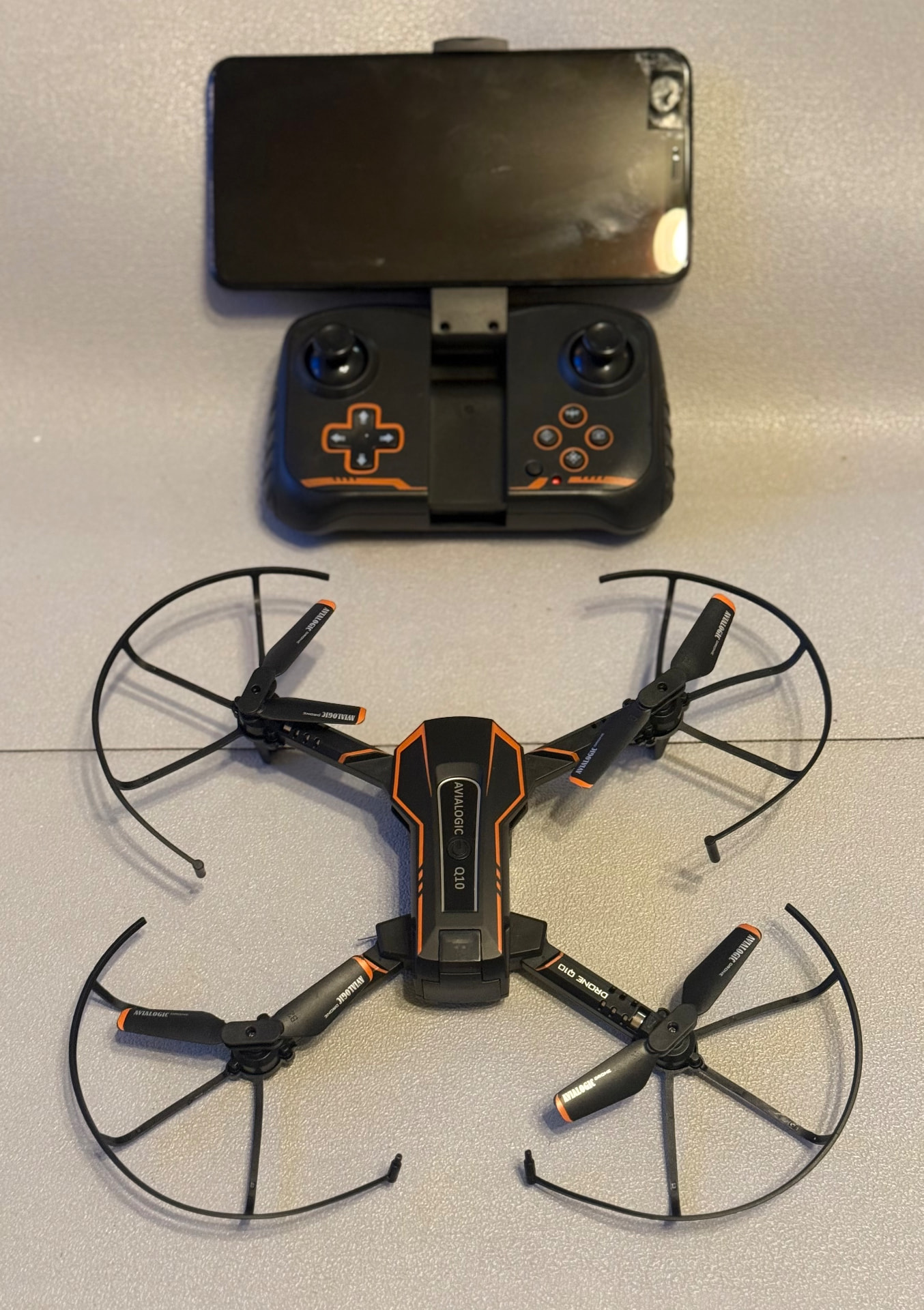
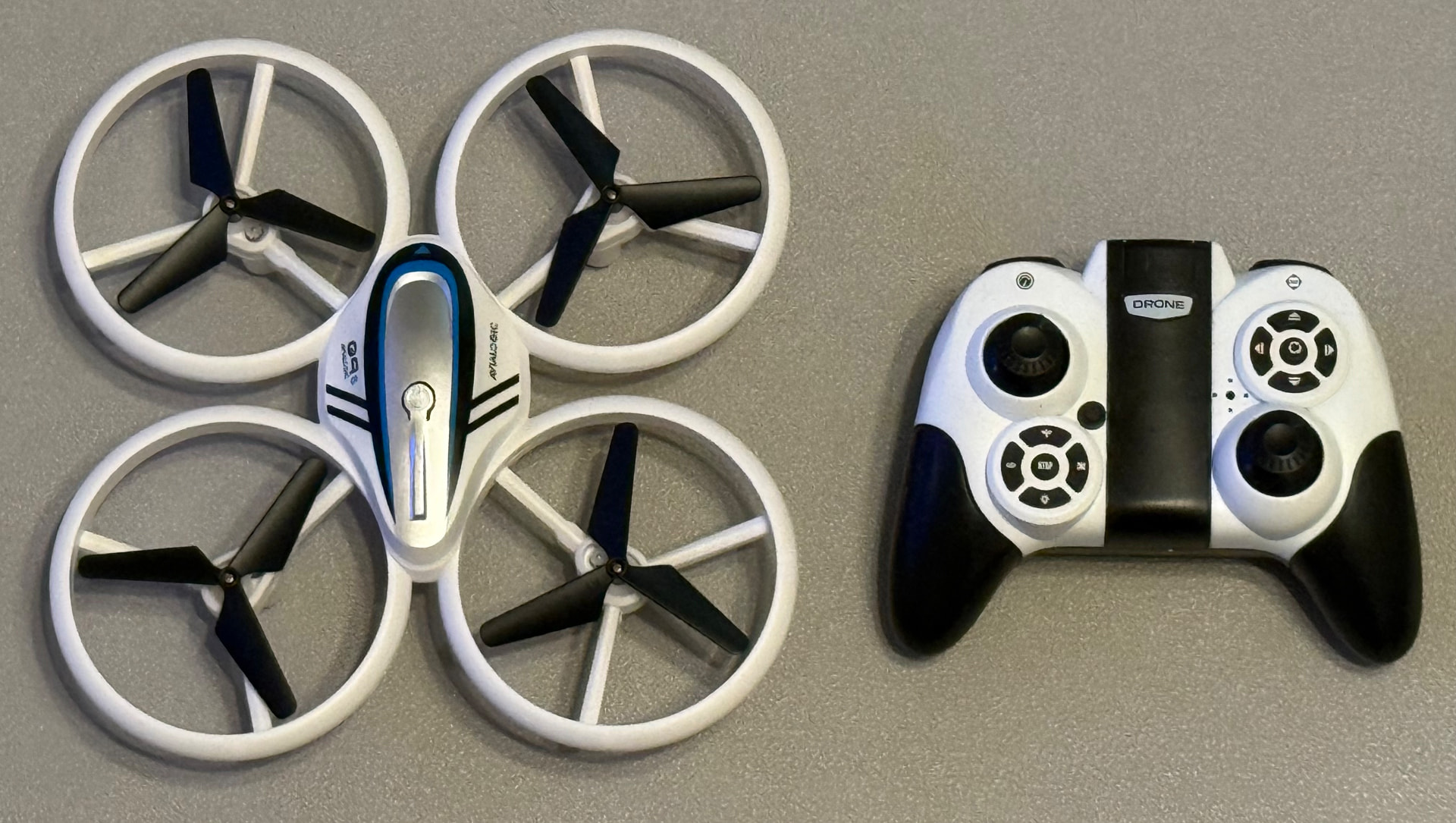
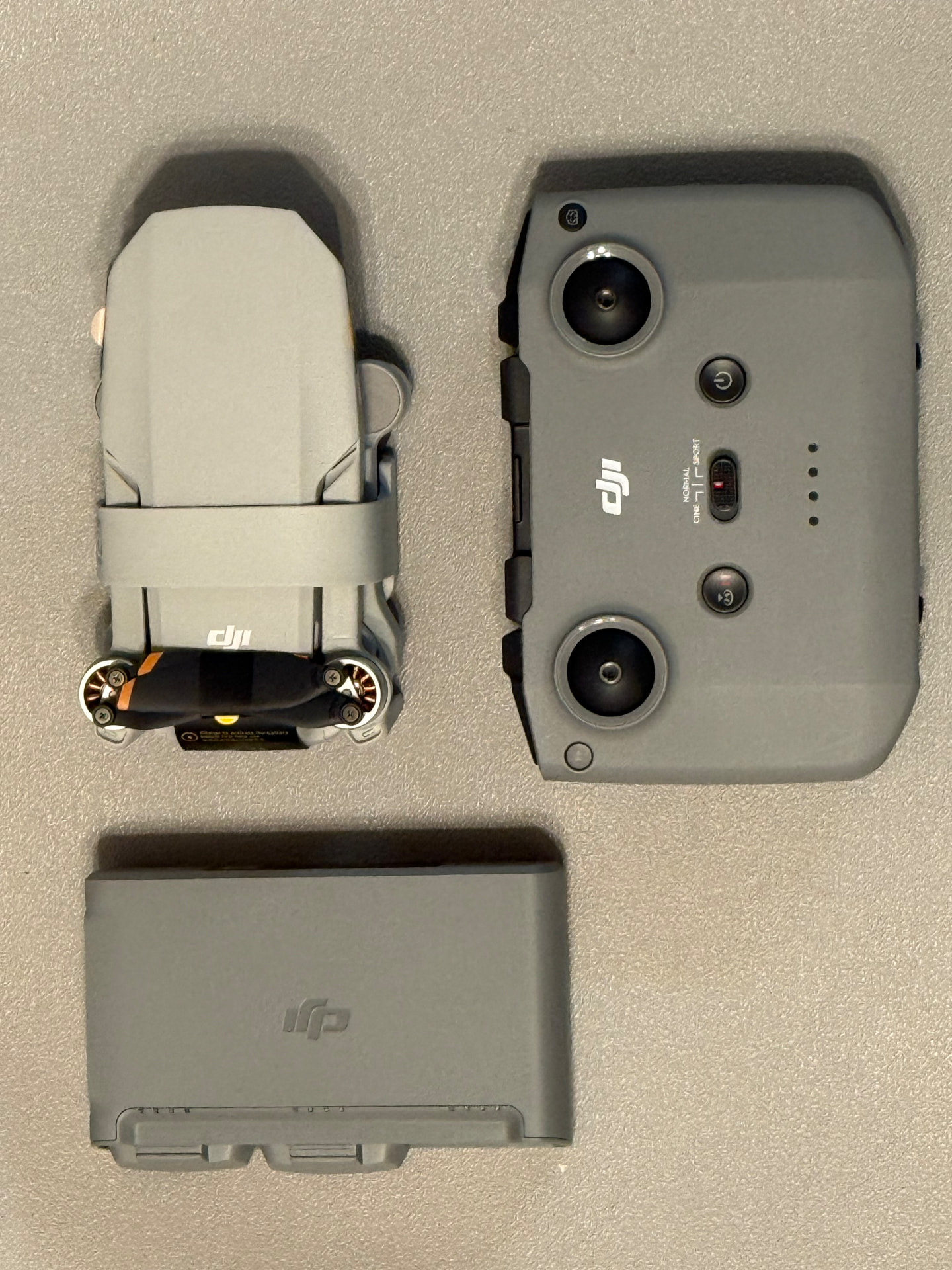
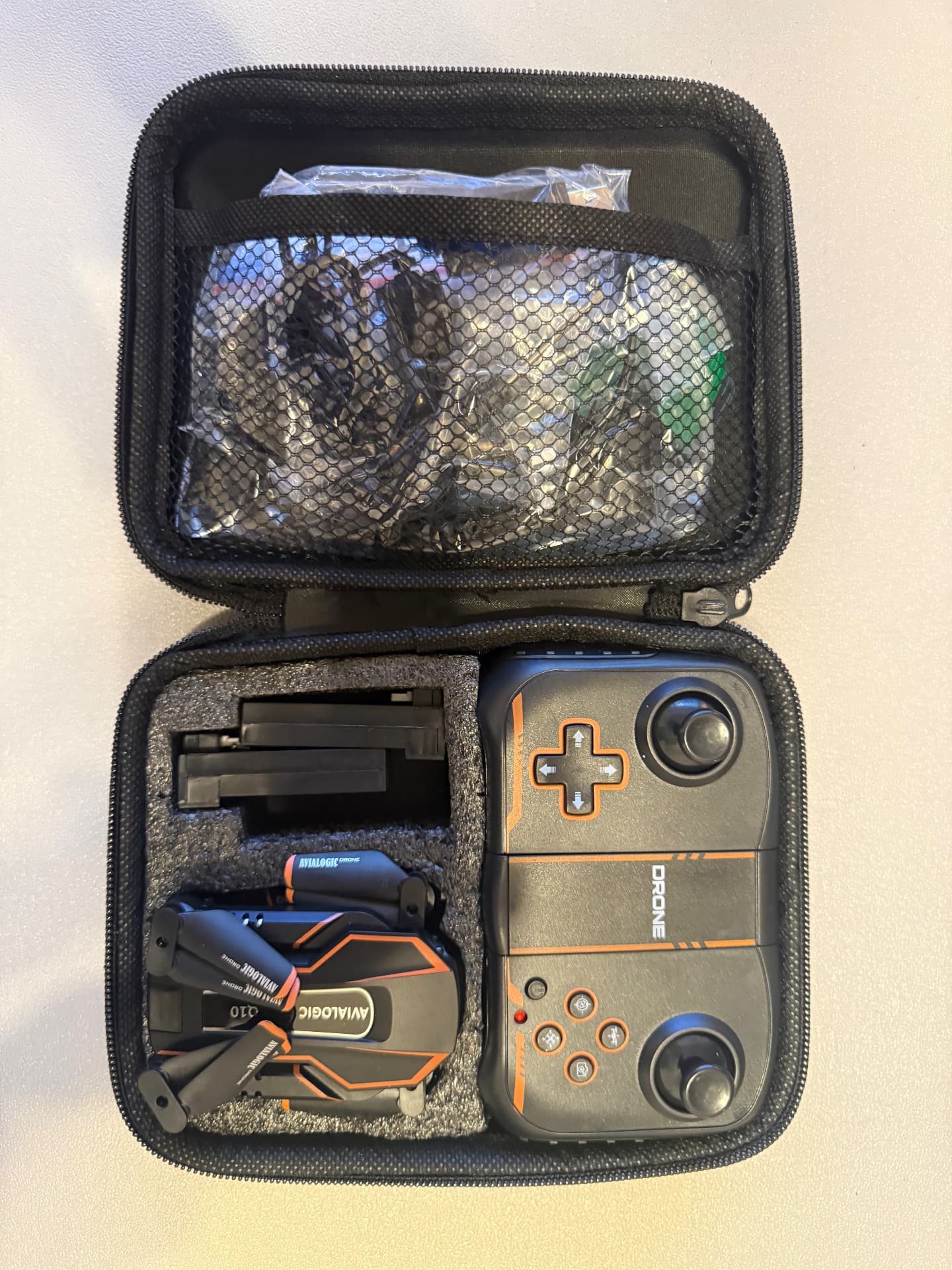
These aircraft also serve as the test fleet for our UAS Mission Maintenance Tracker: every calibration, battery cycle, and part swap is logged against them, so students see a real maintenance history build up while we prove the software on our own hardware. Trainers are flown with prop guards, indoors or in a controlled area, under written go/no-go checks.
How the class progresses
House aircraft first, your own 450 second.
1 — Calibrate ours
Students learn the full calibration procedure on the house trainers, where a mistake costs nothing and every step is logged in the tracker.
2 — Graduate on the house F450
The house F450 is built and operational. It is the aircraft students graduate on: assemble, configure, calibrate, and bench test a 450-class airframe to standard before flying their own.
3 — Leave with your own
Each student buys their own HAWK'S WORK F450 kit before the class starts and brings it to class. You calibrate it to your own preferences and take it home with you.
Enrollment requirement: students must purchase their own F450 kit before the first session and bring it with them. Kits are not sold by The RAPD Group, and dates, locations, and pricing are not set yet.
Next in the fleet
What we are working toward acquiring.
Second DJI camera aircraft
The first DJI Mini is in hand and already in the training fleet above. A second DJI aircraft is planned so two students can fly camera missions side by side.
Rest of the F450 fleet
The first HAWK'S WORK F450 is built and operational and is shown in the training equipment above. Additional pre-soldered kits are planned so a full class can build and calibrate side by side, and so we can test the maintenance tracker at fleet scale.
Both are planned acquisitions, not current inventory. We will publish them here as they arrive and enter the maintenance tracker. The RAPD Group is not affiliated with or endorsed by DJI or HAWK'S WORK.
Local classes — Bristol, Virginia
Two in-person classes in October 2027.
Our first hands-on cohorts run in the Bristol, Virginia area in October 2027, drawing students from roughly a 500-mile radius. We plan to secure a warehouse and an indoor space and record the first class so it can be watched later. The first class is free — students only cover their own equipment.
Where
Bristol, Virginia area. Students travel in from up to about a 500-mile radius. We are working to secure a warehouse space plus an indoor space for flying and filming.
When
Two classes in October 2027. Exact dates, session lengths, and the final venue are not set yet.
Free first class
The first class is free to attend. Students still buy and bring their own F450 kit and equipment.
Cohort share
The class is recorded for later viewing. Students who choose to take part in the content creation share equally in 50% of any revenue that recording earns.
Participation in the recording and the cohort share is optional and covered by a written agreement before filming. No revenue is promised or projected.
We are hiring
We are looking for instructors and subject-matter experts to run these two classes — drone building, assembly, wiring, and calibration.
Remote and fly-out — planned, ~3 months
If we cannot come to you, we train someone who can.
Outside the Bristol region we plan to teach remotely: we train a local instructor or subject-matter expert on drone building, construction, and calibration, then they lead the class in your area. We will try to source a local instructor for you, but that is not guaranteed.
Remote instruction
Live remote sessions covering building, construction, and calibration — aimed first at the person who will teach locally.
Local instructor sourcing
We will look for an instructor or SME near you. Availability depends on your region, so we cannot promise one.
Instructor fly-out
With airfare and travel covered by the host, a RAPD instructor can fly to you to teach calibration and setup in person.
Remote and fly-out training is targeted to be available in about three months. Nothing on this page is bookable yet, and pricing has not been set.
Planned service — ~12 months
Help getting your Part 107 license.
Targeted for about 12 months out: guidance for operators working toward the FAA Part 107 Remote Pilot Certificate — what the test covers, how to study for it, and how to work through the registration and scheduling steps.
Know what is on the test
A plain walkthrough of the knowledge areas the Part 107 exam actually covers.
Study support
Structured practice and review sessions rather than a single cram session.
Paperwork and scheduling
Help navigating IACRA, testing centers, and aircraft registration steps.
The RAPD Group is not the FAA and cannot issue certificates. This is preparation and guidance only; the exam and certificate come from the FAA and its testing partners.
Free online course
Drone fundamentals — study, test, get a certificate of completion.
Ten self-paced lessons covering drone types, FPV, controllers and ground stations, buying, components, batteries, terminology, rules and safety, FAA Part 107, and flight and maintenance — plus a 60-question test drawn from a bank of 300+.
The RAPD Group is not accredited or a certifying body, and this course was developed with the assistance of AI. Passing issues a RAPD certificate of completion only — it is not an FAA credential.
Pilot list
Join the education pilot list.
Tell us about your program and we will contact you as curriculum drafts become available.