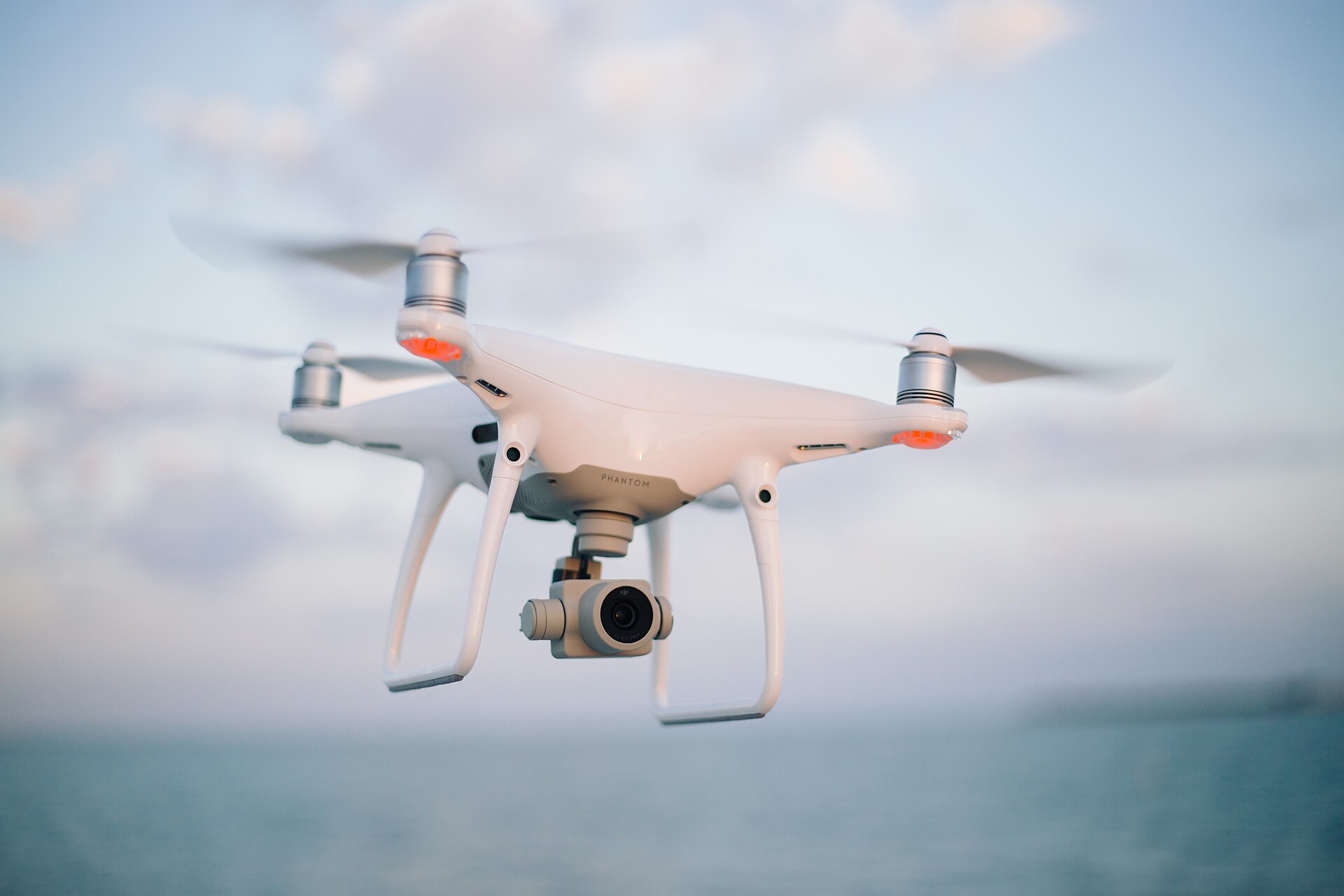
Building a preflight checklist straight out of the regulation
14 CFR 107.49 lists what the remote pilot must assess before every flight. Read as a checklist rather than as prose, it is a complete preflight in five parts.
July 28, 2026 · 6 min read
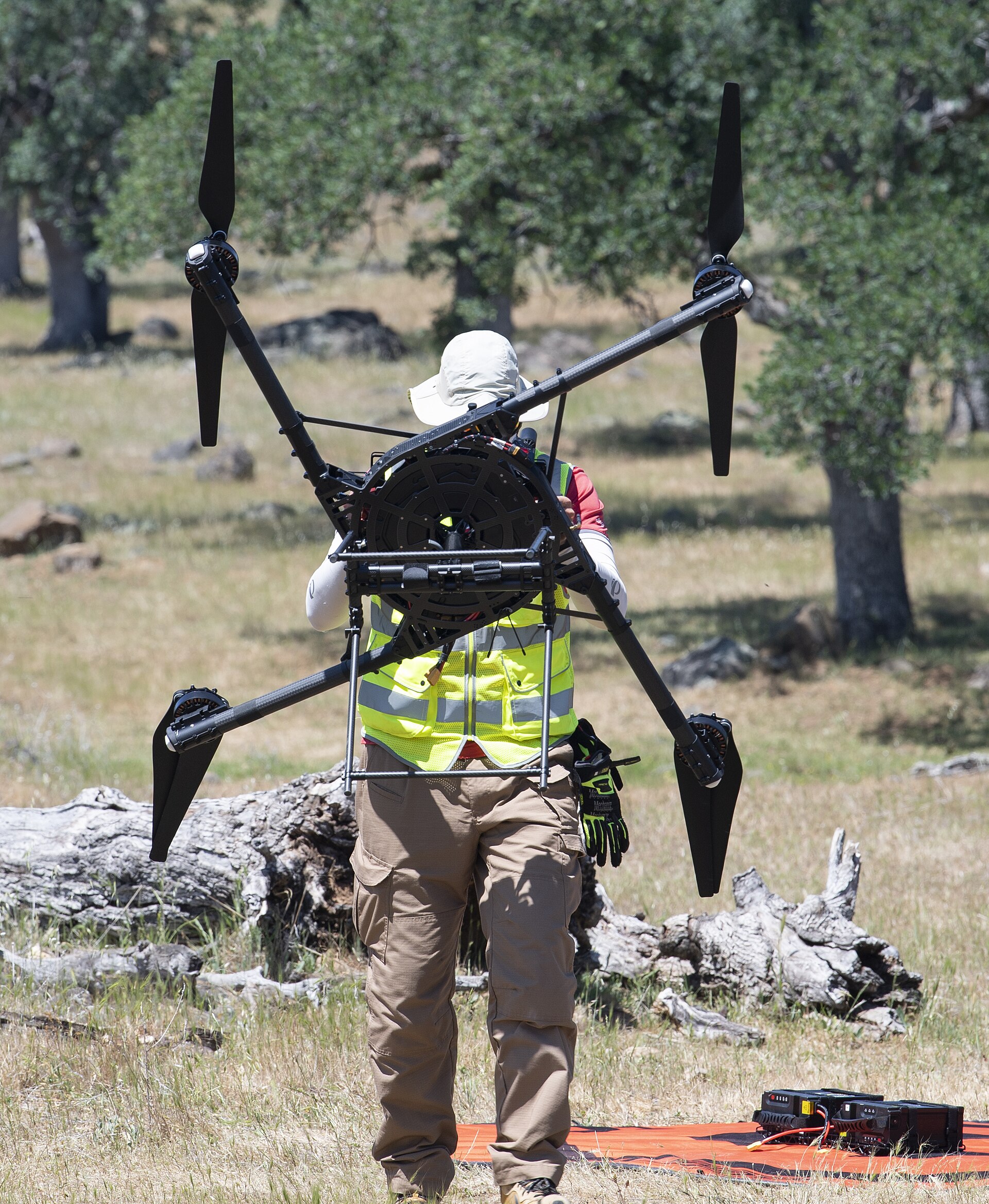
Most preflight checklists circulating online are somebody's personal habit with a logo on it. There is a better starting point: the regulation itself already enumerates what the remote pilot in command must do before every flight. Section 107.49 is short, and it maps almost one-to-one onto a working checklist.
1. Assess the operating environment
The rule specifically calls out local weather conditions, local airspace and flight restrictions, the location of persons and property on the surface, and other ground hazards. In practice that is a weather check, an airspace check, and a walk of the site before anything spins.
- Weather: wind at altitude, gusts, temperature effect on battery capacity, visibility against the 3-statute-mile minimum.
- Airspace: check the class of airspace and any temporary flight restrictions. The FAA publishes UAS Facility Maps and the B4UFLY service for exactly this, and LAANC handles controlled-airspace authorization where it is available.
- Ground: who is on the site, what they are standing under, where the aircraft goes if the link drops.
2. Brief the crew
The rule requires informing participants about operating conditions, emergency procedures, contingency procedures, roles and responsibilities, and potential hazards. If you fly with a visual observer, this is where their job is defined out loud, before takeoff, not during an emergency.
3. Verify control links and systems
The regulation requires ensuring that all control links between the control station and the aircraft are working properly. On a modern aircraft this is more than a binding light.
- Link quality and signal strength readings at the control station before launch, not after.
- Failsafe behavior confirmed — you should know what the aircraft does when the link drops, because you tested it.
- Control-surface and motor-direction check, and a control-response check on the ground.
- Remote ID broadcast confirmed operating, where it applies to your aircraft.
4. Confirm power
The rule requires ensuring there is enough power to operate for the intended operational time. That is a planning statement, not a glance at a battery indicator: intended flight time, plus reserve, against a pack whose real capacity you know from its history rather than from its label.
5. Inspect the aircraft and secure the payload
The rule requires ensuring that any object attached or carried is secure and does not adversely affect flight characteristics or controllability, and that a preflight inspection of the aircraft is performed. This is the physical inspection: props for nicks and correct rotation, arms and frame for cracks, motor bearings by hand, connectors seated, antennas oriented and undamaged, camera and gimbal free.
Write the result down. A checklist that is completed but not recorded proves nothing an hour later, and the recording takes about as long as the last item on the list.
Primary sources
Everything above is drawn from these documents. Read them directly.
- 0114 CFR 107.49 — Preflight familiarization, inspection, and actions for aircraft operationU.S. Government Publishing Office / eCFR
- 02B4UFLY and UAS Facility MapsFederal Aviation Administration
- 03Low Altitude Authorization and Notification Capability (LAANC)Federal Aviation Administration
- 04Advisory Circular 107-2A — Small Unmanned Aircraft Systems (sUAS)Federal Aviation Administration