Why a maintenance log matters more than a better drone
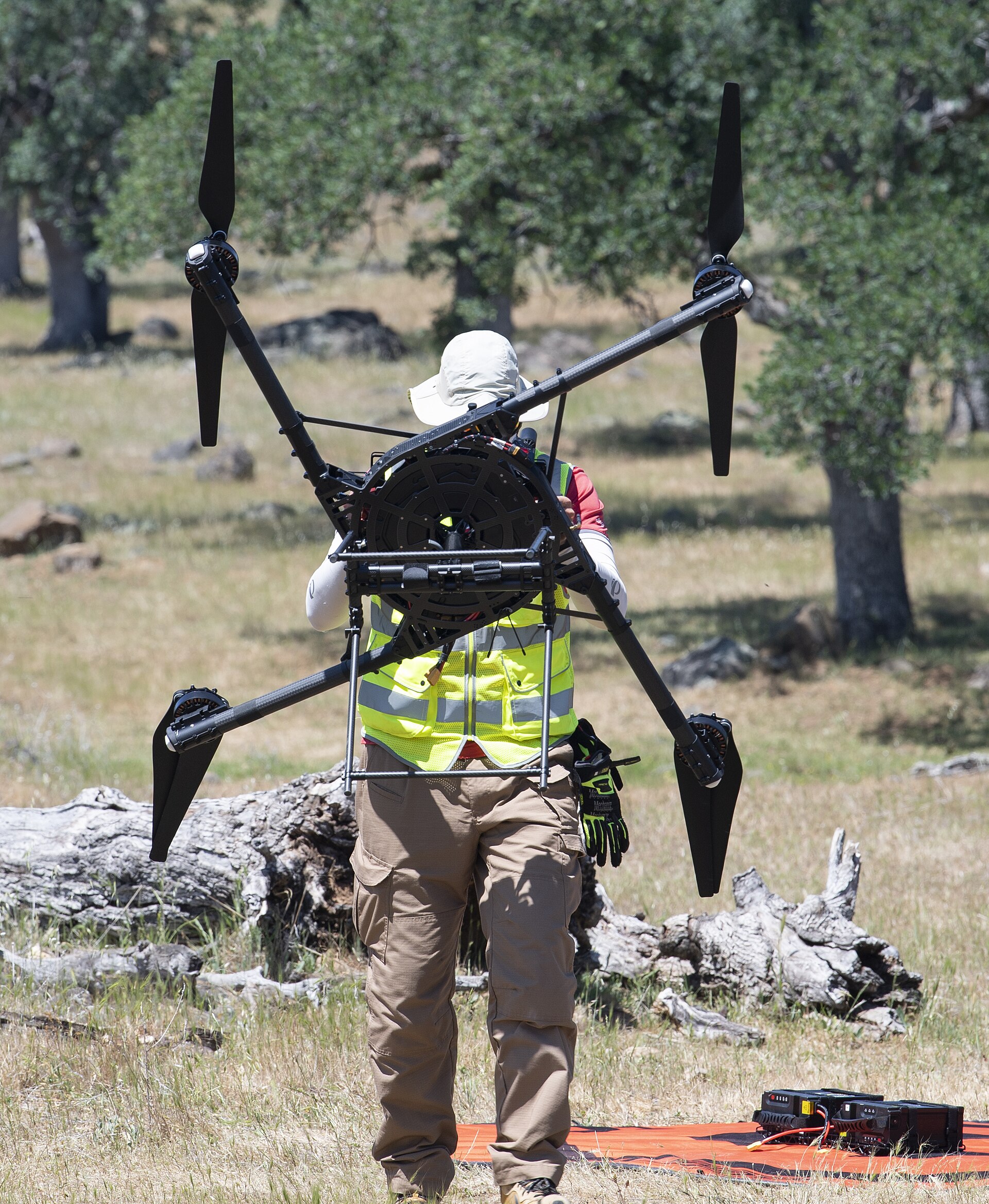
The FAA requires the remote pilot to determine the aircraft is in a condition for safe operation before every flight. That determination is only as good as the history behind it.
August 4, 2026 · 7 min read
Small drones do not have an annual inspection, an airframe logbook mandated by a mechanic, or a maintenance manual signed off by an authority. What they have is one sentence of regulation and whatever discipline the operator brings to it.
Section 107.49 requires the remote pilot in command to perform a preflight inspection before each flight, including an assessment of the operating environment and a check that all control links and systems are working. Section 107.15 requires that no person operate a small unmanned aircraft system unless it is in a condition for safe operation, and that the remote pilot must discontinue the flight when a hazardous condition arises. The FAA's advisory circular for small UAS, AC 107-2A, expands on how to meet that standard in practice.
The problem with a memory-based preflight
"In a condition for safe operation" is a judgment call, and a judgment call needs evidence. Consider what you cannot see by looking at an aircraft on the launch pad:
- How many charge cycles that battery has been through, and whether one cell has started drifting away from the others.
- Whether the motor bearing that felt slightly rough last month has gotten worse.
- Whether the props currently fitted are the ones you inspected, or the spare set you grabbed after a hard landing.
- Which firmware version is on the flight controller, and what changed when you last updated it.
- How many hours are on the airframe since the arm you repaired with adhesive.
None of these are visible. All of them are knowable — but only if somebody wrote them down at the time.
What a usable record actually contains
Crewed aviation solved this problem a long time ago with component-level history: every part has an identity, a time in service, and a maintenance history attached to that identity. The same structure scales down cleanly to a two-pound quadcopter.
- An aircraft record: registration number, airframe identity, cumulative flight time, configuration version.
- A component record per motor, ESC, flight controller, receiver and camera, with serials where they exist.
- A battery record with cycle count, resting voltage, internal resistance trend and retirement criteria.
- A preflight record per flight — not a memory, a written go/no-go with the date and the pilot's name.
- A maintenance action record: what failed, what was replaced, what was tested afterward.
Batteries are where this pays off first
Lithium-polymer packs are the shortest-lived and least forgiving component on most small aircraft. They degrade gradually and then fail suddenly, and the interval between those two states is exactly the window a cycle-count record exists to catch. An operator who retires packs on a written rule — a cycle count, a measured resistance threshold, a storage-voltage discipline — is running a different safety posture than one who retires packs when a flight goes wrong.
The reporting case
There is also a downstream reason. Part 107 requires reporting an accident to the FAA within 10 days when it results in serious injury, loss of consciousness, or property damage of at least $500 to repair or replace. If that day arrives, the difference between a defensible operation and an indefensible one is whether the preflight and maintenance history existed before the flight, not after it.
Good records will not stop a motor from failing. They will tell you which motor is likely to fail next, and they will let you prove what you knew and when you knew it.
Primary sources
Everything above is drawn from these documents. Read them directly.
- 0114 CFR 107.15 — Condition for safe operationU.S. Government Publishing Office / eCFR
- 0214 CFR 107.49 — Preflight familiarization, inspection, and actions for aircraft operationU.S. Government Publishing Office / eCFR
- 0314 CFR 107.9 — Accident reportingU.S. Government Publishing Office / eCFR
- 04Advisory Circular 107-2A — Small Unmanned Aircraft Systems (sUAS)Federal Aviation Administration