The FAA's BVLOS proposal, read from the docket itself
On 6 August 2025 the FAA and TSA published a joint notice of proposed rulemaking that would create a new 14 CFR Part 108. Here is what the agency's own summary and fact sheet say — and what they do not.
August 18, 2026 · 8 min read
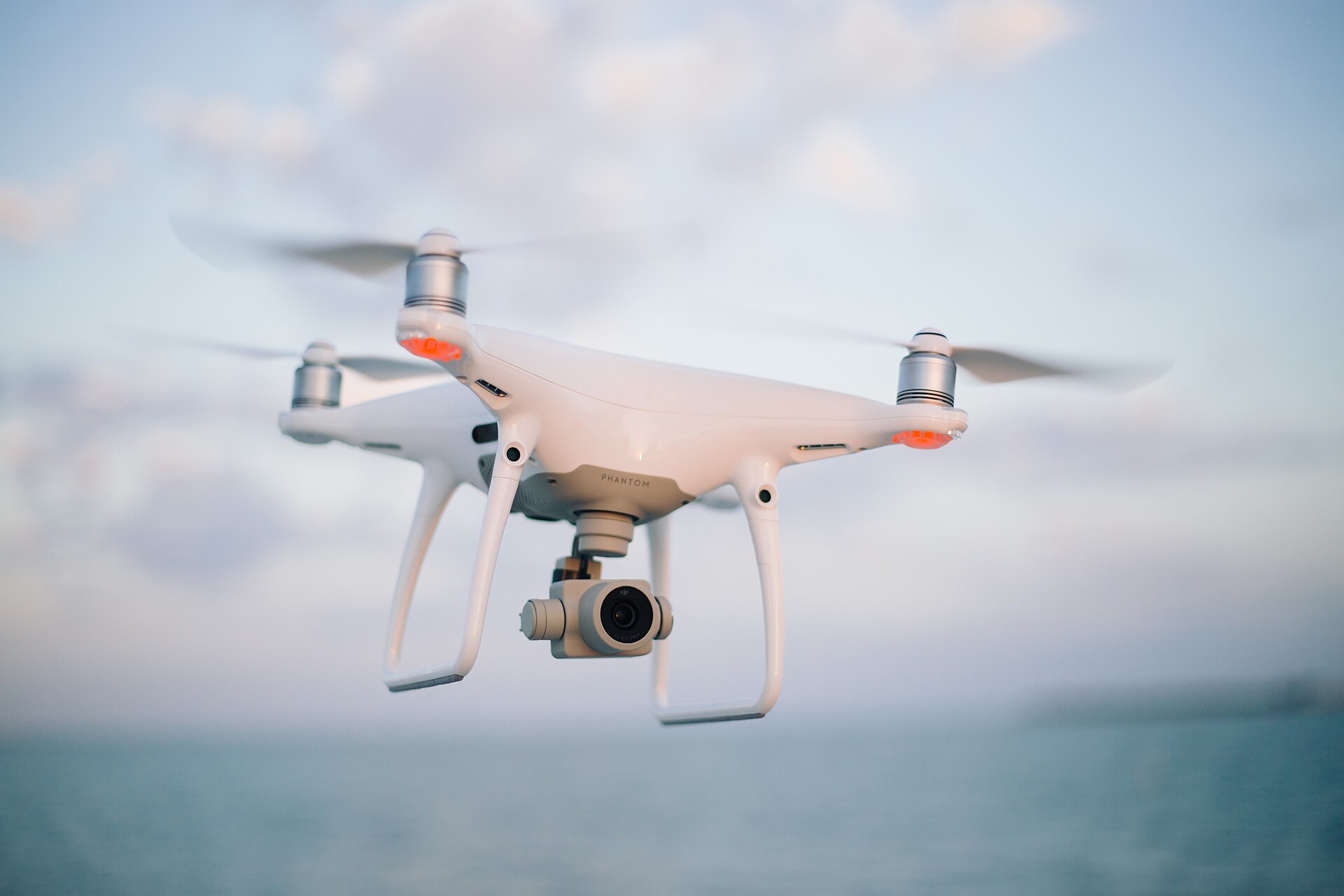
Beyond visual line of sight — BVLOS — is the single largest constraint on what a small drone operator is allowed to do. Under the rules in force today, the remote pilot in command must be able to see the aircraft with unaided vision, or use a visual observer who can. Everything else in the industry's roadmap, from routine package delivery to long linear infrastructure inspection, sits behind that one requirement.
On 6 August 2025 the Federal Aviation Administration, jointly with the Transportation Security Administration, published a notice of proposed rulemaking titled "Normalizing Unmanned Aircraft Systems Beyond Visual Line of Sight Operations." It carries Docket No. FAA-2025-1908, Notice No. 25-07, and RIN 2120-AL82. It proposes a new 14 CFR Part 108 and touches more than a dozen existing parts, including 43, 45, 48, 89, 91, 107, 135 and 137.
What the agency says the rule would enable
The FAA's own fact sheet lists the operation types the proposal is meant to cover: package delivery, agriculture, aerial surveying, and civic-interest work including public safety, recreation, and flight testing. Two constraints in that same fact sheet are worth reading closely, because they shape the whole proposal.
- Operations would occur at or below 400 feet above ground level — the same ceiling small operators already work under.
- Flights would run from pre-designated, access-controlled locations rather than from anywhere the operator happens to stand.
- Every operator would need FAA approval for the specific area they intend to fly, identifying boundaries, approximate daily operation counts, and takeoff, landing and loading areas.
In other words, the proposal does not hand out open-ended permission to fly out of sight. It trades the line-of-sight requirement for a location-and-authorization requirement, plus a set of manufacturing, separation, security and record-keeping obligations that the FAA describes as performance-based rather than prescriptive.
Why record keeping is in a flight rule
The proposal's own summary lists "information reporting and record keeping" alongside operations, manufacturing, separation and security. That pairing is not incidental. When a human being can no longer look up and see the aircraft, the evidence that the aircraft was airworthy before it launched has to come from somewhere else — and the only thing left is the record.
The FAA's proposed rule for safely normalizing Beyond Visual Line of Sight (BVLOS) drone operations includes detailed requirements for operations, aircraft manufacturing, keeping drones safely separated from other aircraft, operational authorizations and responsibility, security, information reporting and record keeping.
This is the part of the proposal we watch most closely, because it is the part our software is built around. An operator who already logs component history, battery cycles and preflight results is closer to any future compliance regime than an operator who does not — whatever the final rule text turns out to say.
The precedent already on the record
The FAA has been building toward this incrementally. In July 2024 the agency announced that it had, for the first time in U.S. aviation, authorized multiple commercial drone operations in the same airspace: Zipline International and Wing Aviation were cleared to deliver packages in the Dallas area while keeping their aircraft separated using Unmanned Aircraft System Traffic Management, or UTM. Under that model, industry manages the separation and the FAA supervises.
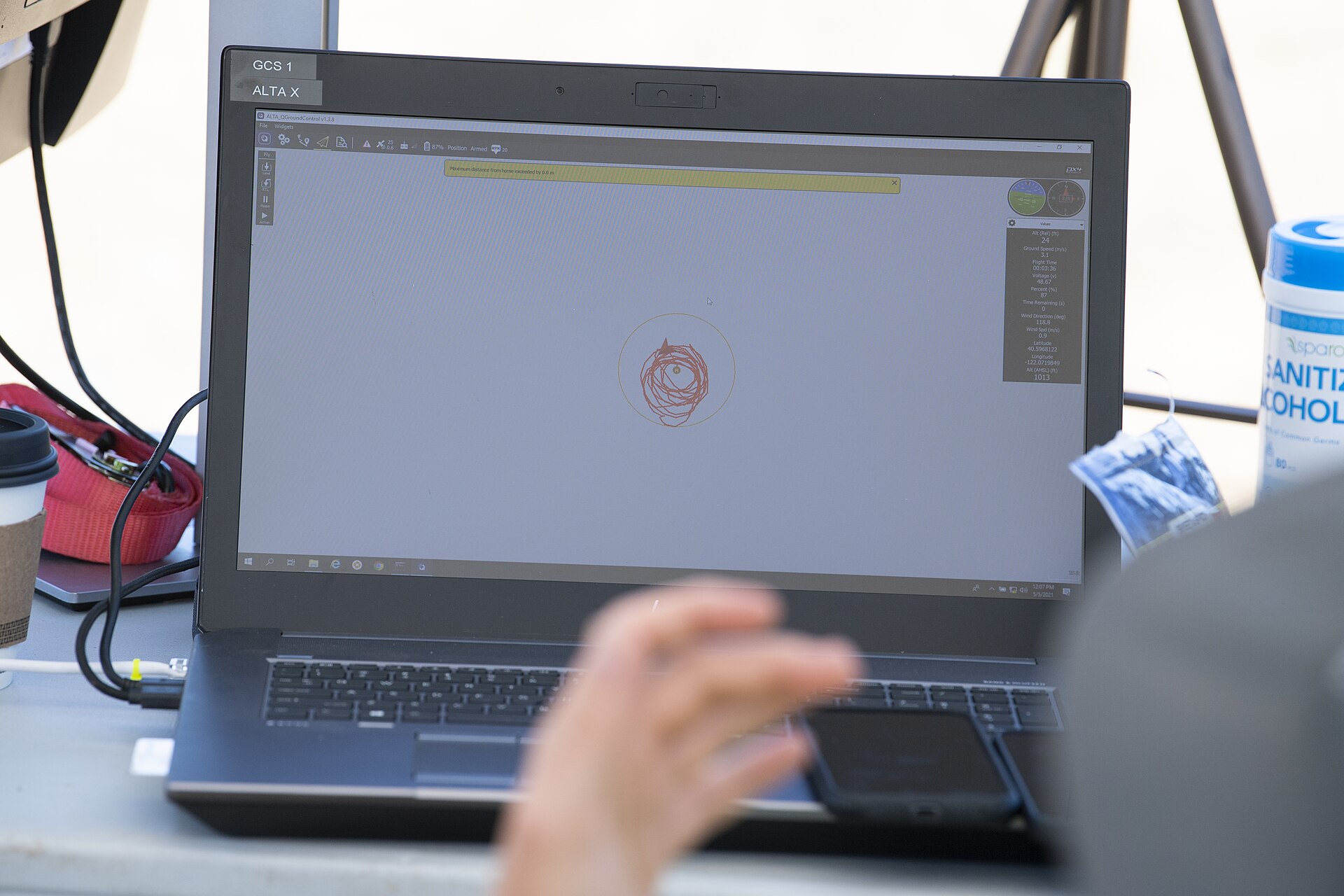
UTM did not appear from nowhere either. NASA ran the foundational research, and its field campaigns — including the STEReO project photographed above, which studied uncrewed aircraft working alongside emergency responders — produced much of the operational data underneath the concept.
What a small operator should do now
- Read the primary documents. The FAA publishes the NPRM text and the fact sheet directly; they are shorter and clearer than most coverage of them.
- Keep flying to Part 107 as written. Visual line of sight remains a requirement until a final rule says otherwise.
- Start the records habit now. Component serials, battery cycle counts and written preflight results cost nothing today and are difficult to reconstruct later.
We are an early-stage venture, not a law firm, and nothing here is legal or regulatory advice. Everything above is drawn from the FAA's published notice, fact sheet and newsroom releases, which are linked in full below so you can read them yourself.
Primary sources
Everything above is drawn from these documents. Read them directly.
- 01Normalizing Unmanned Aircraft Systems Beyond Visual Line of Sight Operations (NPRM, Docket FAA-2025-1908)Federal Aviation Administration
- 02Beyond Visual Line of Sight (BVLOS) Fact SheetFederal Aviation Administration
- 03Beyond Visual Line of Sight (BVLOS) — newsroom overview, 6 August 2025Federal Aviation Administration
- 04FAA Makes Drone History in Dallas Area (UTM authorizations, 30 July 2024)Federal Aviation Administration