Part 107 or recreational: which set of rules you are actually flying under
The difference is not the aircraft and it is not the money. It is the purpose of the flight — and each path has its own certificate, its own test, and its own limits.
August 11, 2026 · 7 min read
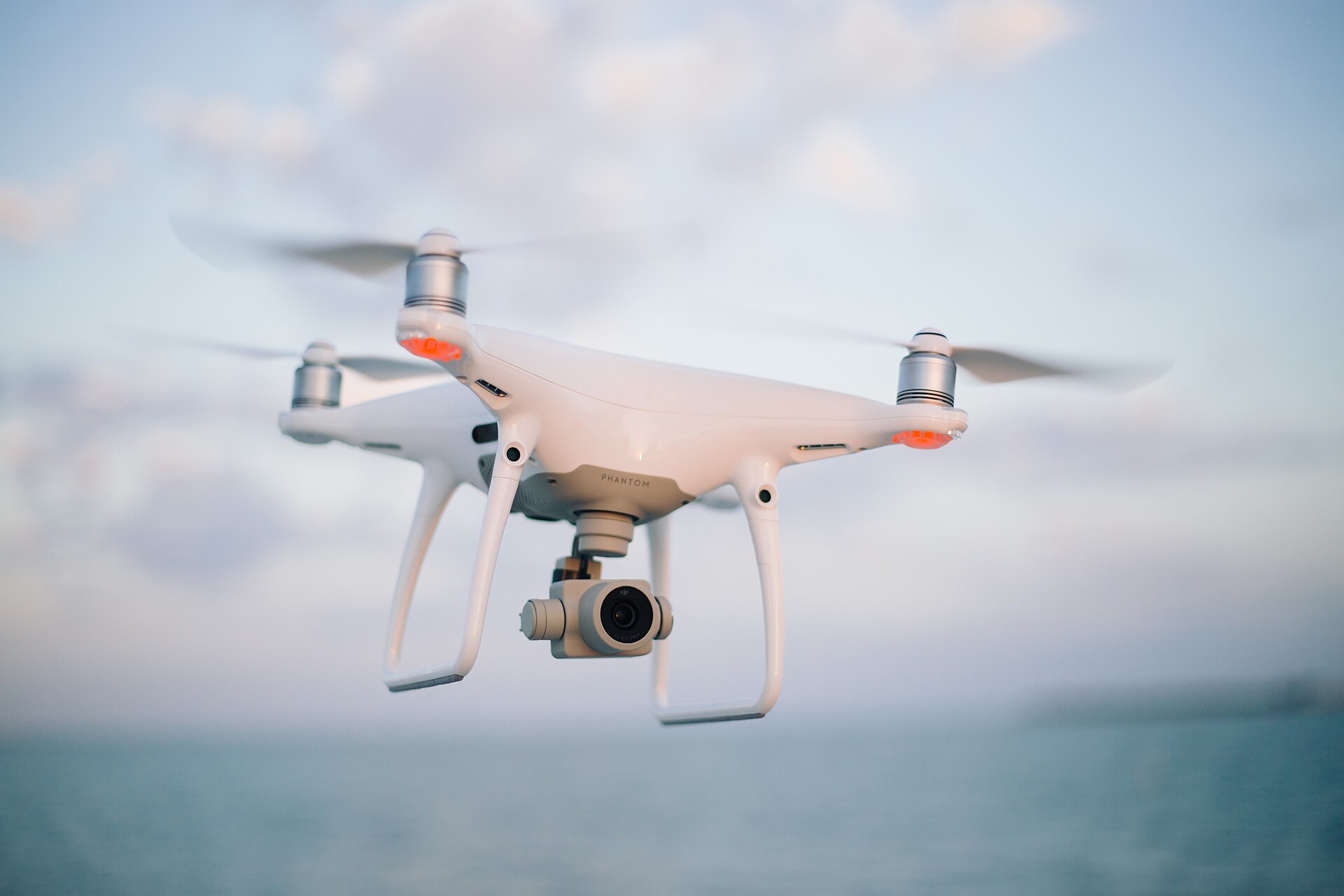
Two people can fly the same aircraft from the same field on the same afternoon under two entirely different regulatory regimes. What separates them is why they are flying. Understanding which set of rules applies to you is the first thing to settle, because every other obligation follows from it.
The recreational path
Flying strictly for fun falls under the statutory exception for limited recreational operations at 49 U.S.C. 44809. It is genuinely narrow: the flight must be purely recreational, flown within visual line of sight, and in accordance with the safety guidelines of an FAA-recognized community-based organization. The Academy of Model Aeronautics, a long-standing nonprofit, is the best known of these organizations.
Recreational flyers must pass The Recreational UAS Safety Test, known as TRUST. It is free, it cannot be failed in the ordinary sense — it walks you back through anything you miss — and you must carry proof of completion when you fly.
The Part 107 path
Anything that is not strictly recreational falls under 14 CFR Part 107 and requires a Remote Pilot Certificate with a small UAS rating. That includes work you are paid for, but it also includes flights that further a business at all — real-estate photos for your own listing, roof inspection footage for your own contracting company, footage posted to a monetized channel.
- You must be at least 16 years old to hold the certificate.
- Initial certification requires passing the FAA's aeronautical knowledge test at an approved testing center.
- Certificate holders must complete recurrent training every 24 calendar months to stay current.
The operating limits under Part 107
Part 107's operating rules are specific and worth committing to memory, because they are where most enforcement questions land.
- Maximum altitude of 400 feet above ground level, or within 400 feet of a structure's uppermost limit.
- Maximum groundspeed of 87 knots — about 100 miles per hour.
- Minimum flight visibility of 3 statute miles from the control station.
- The aircraft must remain within visual line of sight of the remote pilot or a visual observer.
- One aircraft at a time per remote pilot.
- Controlled airspace requires prior authorization; LAANC provides it in near real time in many locations.
What both paths share
Two obligations do not care which path you are on. Registration is required for any aircraft weighing 0.55 pounds — 250 grams — or more, and the registration number must be displayed on the exterior of the aircraft. Remote ID, codified at 14 CFR Part 89, applies broadly as well; its operational compliance date passed on 16 March 2024, and operators now either fly an aircraft with built-in broadcast, attach a broadcast module, or fly within an FAA-Recognized Identification Area.
If you are working out which path applies to a specific flight, the honest test is simple: would you still make this flight if there were no business, channel, client or listing attached to it? If the answer is no, plan on Part 107.
Primary sources
Everything above is drawn from these documents. Read them directly.
- 01Part 107 — Small Unmanned Aircraft Systems (rule overview)Federal Aviation Administration
- 02Recreational Flyers & Modeler Community-Based OrganizationsFederal Aviation Administration
- 03The Recreational UAS Safety Test (TRUST)Federal Aviation Administration
- 04UAS Remote IdentificationFederal Aviation Administration
- 05Register Your Drone (FAA DroneZone)Federal Aviation Administration